
Can a Rhinoplasty (Nose Job) Fix a Crooked or Asymmetrical Nose?
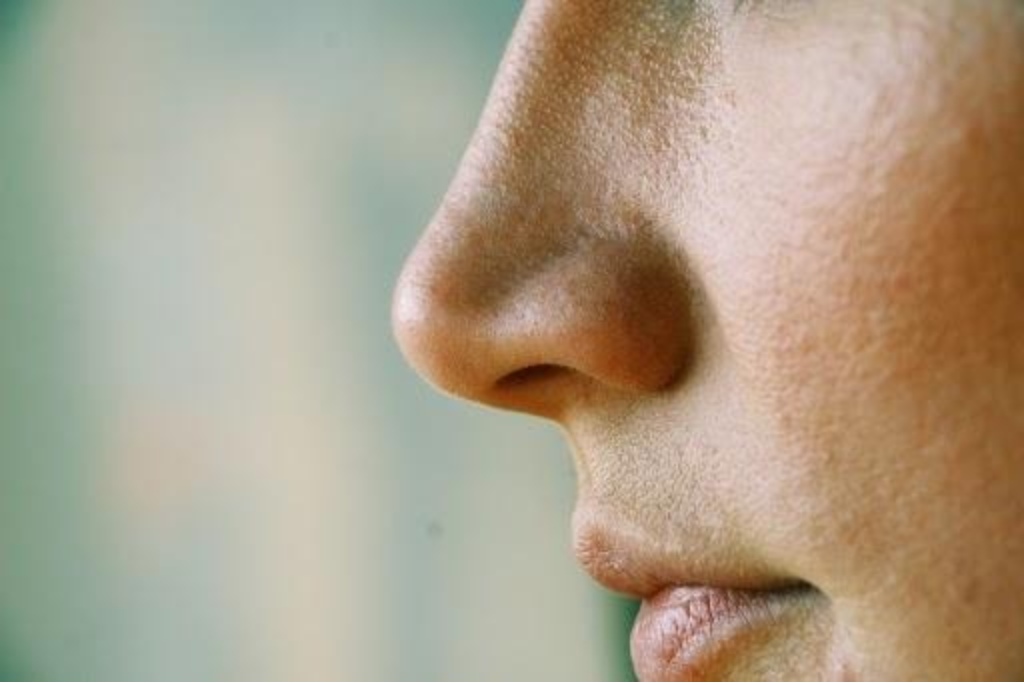
A crooked or asymmetrical nose may result from genetics, injuries, or differences in bone and cartilage development. These irregularities can affect the nasal bridge, tip, or nostrils. Rhinoplasty can address certain structural concerns as well as functional through surgical adjustments.
Dr. C.D. Bakala MD FRCSC Inc. discusses rhinoplasty, helping individuals understand the considerations involved in correcting nasal asymmetry and undergoing a nose job.
What Causes a Crooked or Asymmetrical Nose?
Nasal asymmetry can develop naturally or following physical trauma. Common causes include:
- Genetics: Inherited differences in bone and cartilage development can affect nasal shape.
- Previous injuries: Accidents or sports injuries can displace nasal bones or damage cartilage.
- Deviated septum: An off-centre septum can contribute to nasal irregularities and breathing difficulties.
- Uneven cartilage development: Differences in cartilage structure can affect the nasal tip and nostrils.
Identifying the underlying cause helps determine the appropriate approach to nasal correction.
Can Rhinoplasty Fix a Crooked or Asymmetrical Nose?
Yes, rhinoplasty for a crooked nose can correct many structural irregularities. The procedure may involve repositioning nasal bones, reshaping cartilage, or addressing differences in the nasal tip and nostrils.
However, the extent of correction depends on the severity of asymmetry, existing nasal structure, and individual healing characteristics. Complete symmetry may not be achievable because natural facial asymmetry also influences appearance.
How Does Rhinoplasty Straighten the Nose?
Nose surgery for asymmetry involves adjustments based on the affected nasal structures. Common techniques include:
- Nasal bone repositioning: Adjusting displaced bones to improve alignment.
- Cartilage reshaping: Correcting irregularities around the nasal bridge or tip.
- Septal correction: Addressing a deviated septum when appropriate.
- Structural support: Using cartilage grafts when necessary to maintain nasal shape.
These techniques aim to improve alignment while maintaining appropriate structural support.
What Results Can Patients Realistically Expect?
The results of uneven rhinoplasty depend on the original deformity, surgical technique, and healing response. Potential outcomes include:
- Improved nasal bridge alignment.
- Better balance of the nasal tip.
- More even nostril positioning.
- Improved airflow when functional concerns are addressed.
Swelling gradually decreases over several months, and final results may take 12 months or longer to become apparent.
Frequently Asked Questions
Here are some answers addressing common questions about rhinoplasty and nose job outcomes:
When Does Asymmetry Improve after Rhinoplasty?
Initial changes become visible as swelling decreases over several weeks. However, final refinement may take 12 months or longer.
Can Rhinoplasty Fix Uneven Nostrils?
Yes, rhinoplasty can address differences in nostril shape, size, and positioning, depending on the underlying cartilage and tissue structure.
Can a Nose Become Crooked Again after Rhinoplasty?
Yes. In some cases, although rhinoplasty is designed to create long-lasting results, changes during the healing process, scar tissue, cartilage movement, or a later injury may affect the alignment of the nose.
Understanding these factors can help patients prepare for the healing process and establish realistic expectations.
Discuss Your Rhinoplasty Options in Kelowna
Understanding the cause of nasal asymmetry helps establish realistic surgical expectations. Dr. C.D. Bakala MD FRCSC. encourages individuals considering a nose job in Kelowna to book a consultation to discuss the potential rhinoplasty treatment options.n and discuss lip lift and filler options for your goals.