
Rhinoplasty (Nose Job)
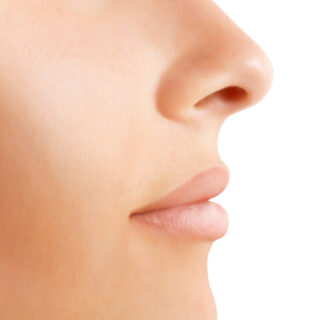
Rhinoplasty Surgery in Kelowna
Rhinoplasty surgery with C.D. Bakala MD FRCSC provides a carefully planned surgical procedure aimed at improving the nose’s function and appearance. Whether addressing structural concerns such as a deviated septum or refining the nasal shape for facial balance, each procedure is tailored to the patient’s unique anatomy and goals.
Dr. C. Bakala and team strives to ensure patient comfort and safety throughout the entire process, from initial consultation to post-operative care. With over 30 years of experience you can be assured you are getting the best care and expertise from Dr. C. Bakala. Contact us today for professional guidance and to schedule your rhinoplasty procedure in Kelowna.
What Is Rhinoplasty
Rhinoplasty is a surgical procedure to correct deformities of the bone and cartilage of the nose. The procedure addresses both the external appearance and internal nasal structure, which can improve airflow and correct medical conditions such as a deviated septum. Rhinoplasty offers both cosmetic and functional benefits, including:
- Correct nasal shape fixes asymmetry, bridge, or tip deformities.
- Improving breathing addresses septum issues and nasal obstruction.
- Personalized planning consultation ensures surgery fits your goals and anatomy.
Dr. C. Bakala MD FRCSC. in Kelowna aims to provide tailored rhinoplasty treatment and care plans for each patient, ensuring the procedure is approached with precision and safety.
The Rhinoplasty Procedure
The rhinoplasty procedure Dr. C. Bakala. follows careful steps to ensure predictable and stable results:
- Consultation and planning: Evaluation of nasal anatomy, medical history, and patient goals, often using imaging and measurements.
- Anesthesia: Performed under general or local anesthesia with sedation based on procedure complexity.
- Surgical technique: Incisions are made inside the nostrils (closed) or across the columella (open), and cartilage and bone are reshaped as needed.
- Closure and recovery: Incisions are sutured, and splints or nasal packing may be applied. Recovery includes monitoring swelling and a gradual return to daily activities.
Even a minor correction can make a difference in overall facial harmony. Most patients report little or no pain after nasal surgery, and any discomfort is easily controlled with mild pain medication.
Different Types of Rhinoplasty
Rhinoplasty can be tailored to different needs:
- Open rhinoplasty: External incision for direct access to nasal structures.
- Closed rhinoplasty: Internal incisions with no visible scarring.
- Revision rhinoplasty: Corrections for previous nasal surgeries.
- Functional rhinoplasty: Focuses on improving nasal airflow and correcting structural issues.
- Cosmetic rhinoplasty: Refines the nose’s appearance while maintaining function.
DR. C. Bakala . in Kelowna aims to select the rhinoplasty approach best suited for each patient, balancing functional improvements with aesthetic outcomes. Read our blogs to learn more about rhinoplasty procedures and tips.
What to Expect after the Surgery
Upon completion of the surgery, you will be monitored in the post-anesthesia recovery area until you feel well enough for discharge home. The majority of patients do not experience any significant pain; however, analgesic medications can be given as needed for post-operative discomfort. Whether packing is placed in the nose or not, most patients will comment that their nasal breathing is limited in the first few days after surgery. This is a result of intranasal swelling, and as the swelling subsides, the breathing improves. Your face will feel puffy, especially on the first day after surgery. Some patients develop swelling and/or bruising around the eyes. This generally subsides in the first 5 days after surgery. Cold compresses will help minimize and reduce the bruising and any discomfort. Absorbable sutures are generally used inside the nose and do not need removal. Any external sutures, if required, are removed in 5-8 days. Nasal dressings and splints are also removed at 5-10 days after surgery.
It is imperative that you follow your surgeon’s post-operative instructions. Keeping your head elevated will minimize swelling. It is important not to blow your nose and to avoid any impact on the nose while the structures inside and out are healing. Activities such as heavy lifting, excessive exertion, sun exposure or any activity that would increase the risk of injury should be avoided. If you wear glasses, you must be careful not to exert excess pressure on the bridge of the nose. Tape and other devices are sometimes used to permit wearing glasses without stressing the area during healing.
Follow-up care is crucial to success in rhinoplasty. Any concerns regarding your post-operative course, such as excess bleeding, unexpected swelling, fever or significant pain, should be reported to your surgeon immediately. It is essential that you keep your follow-up appointments with your surgeon. As your healing is being monitored, there may be techniques such as massage, use of nasal sprays or even small injections of cortisone-like medications that can further enhance the desired result.* *Information from the American Academy of Facial Plastic Surgery website.
All cosmetic rhinoplasty procedures are performed in Dr. C. Bakala’s private, accredited surgical suite. All post-operative care is provided by Dr. C. Bakala, and he will follow your recovery closely.
Dr. C. Bakala has the expertise to consult with you and provide the information you require to make an informed and realistic decision. Trust your face to a specialist. Learn more about before-and-after procedures.
Schedule Your Rhinoplasty Consultation in Kelowna
Professional guidance and personalized care from C.D. Bakala MD Inc.